The Builder King
Moulay Ismail's 55 years of blood and marble
The horse stumbled. Moulay Rashid, the first Alaouite sultan to unify Morocco, fell and struck his head on a tree branch in his palace orchard. He was dead. The year was 1672. His half-brother, Moulay Ismail, was twenty-six years old.
Ismail seized the treasury in Fez and proclaimed himself sultan. He would rule for fifty-five years—the longest reign in Moroccan history. He would be remembered as a monster and a builder.
He began with war. For fifteen years, he fought rivals, including his own nephew, who repeatedly claimed the throne from Marrakech. When he captured rebels, he was creative. In 1677, the heads of 700 defeated Berbers were nailed to the walls of Fez.
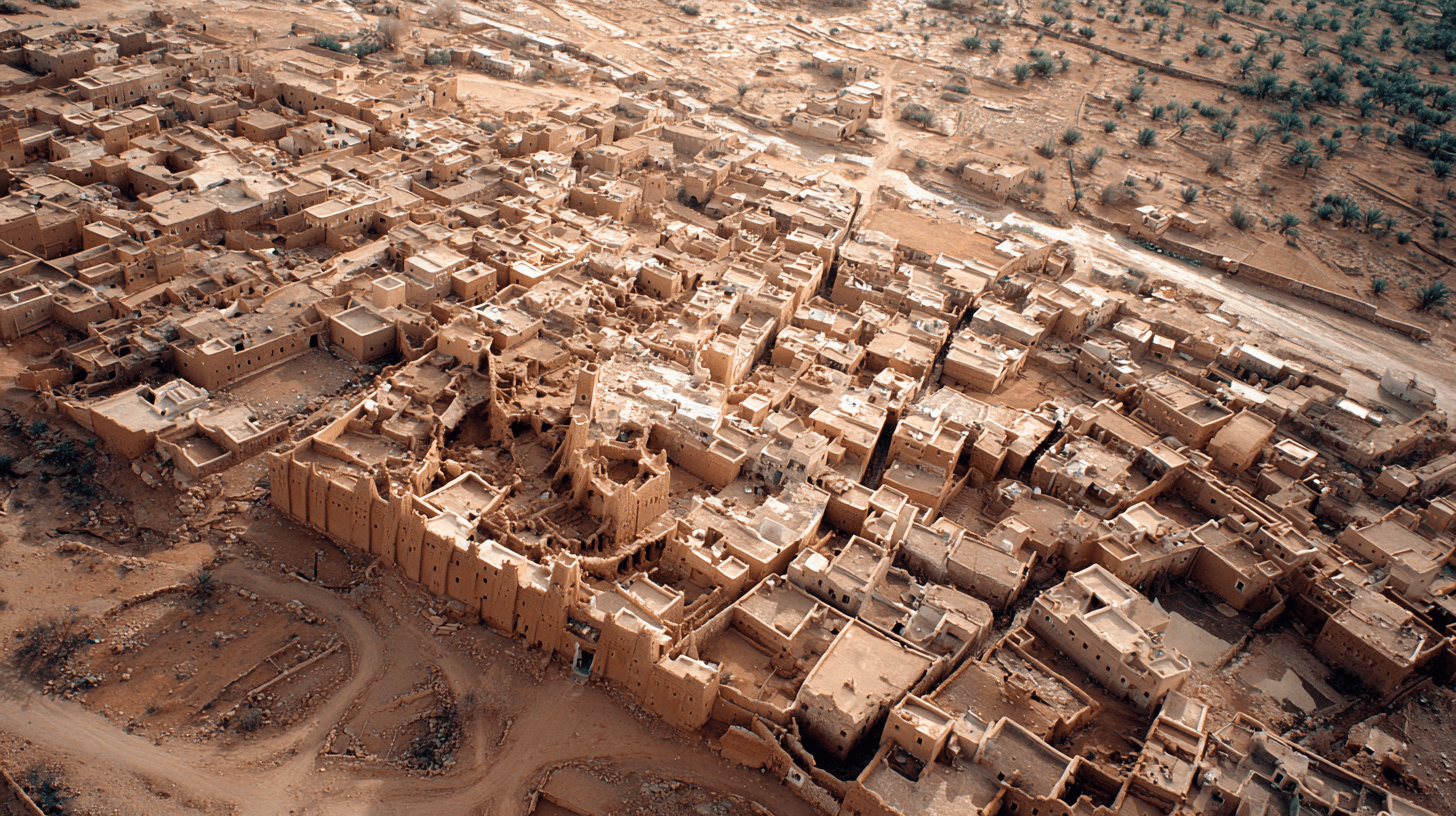
But the killing was a means to an end. Ismail wanted to build Meknes into a capital that would rival Versailles—and Louis XIV was building Versailles at the same time. He commissioned forty kilometers of walls, more than fifty palaces, mosques, gardens, and an enormous granary for his thousands of horses. The materials came from everywhere: marble stripped from the Roman ruins at Volubilis, stone from demolished palaces in Marrakech.
The labor came from slaves. He captured 25,000 Christians—mostly from corsair raids on European ships—and worked them building his city. Contemporary accounts say they were worked to death; some were literally buried in the walls. Alongside them labored 30,000 criminals.
To maintain his rule, he created the Black Guard: an army of enslaved Black Africans, initially 16,000 strong, eventually 150,000. They were loyal only to him. Their descendants serve as Morocco's royal guard today, now called the Moroccan Royal Guard.
His personal life was equally extreme. He maintained 500 concubines and is documented to have fathered 888 children—548 sons and 340 daughters by 1703, with more born after. This is one of the largest recorded numbers of offspring in human history.
He proposed marriage to Louis XIV's daughter. She refused.
He expelled the English from Tangier in 1684. He drove the Spanish from Larache and other coastal cities. He resisted Ottoman expansion. He maintained Morocco as one of the few Islamic states never conquered by the Ottomans.
He died in 1727 and was buried in the mausoleum he had built for himself in Meknes—within walking distance of the underground prison where thousands of his slaves had been kept. His grandson, Mohammed III, moved the capital to Marrakech and stripped Meknes of its treasures.
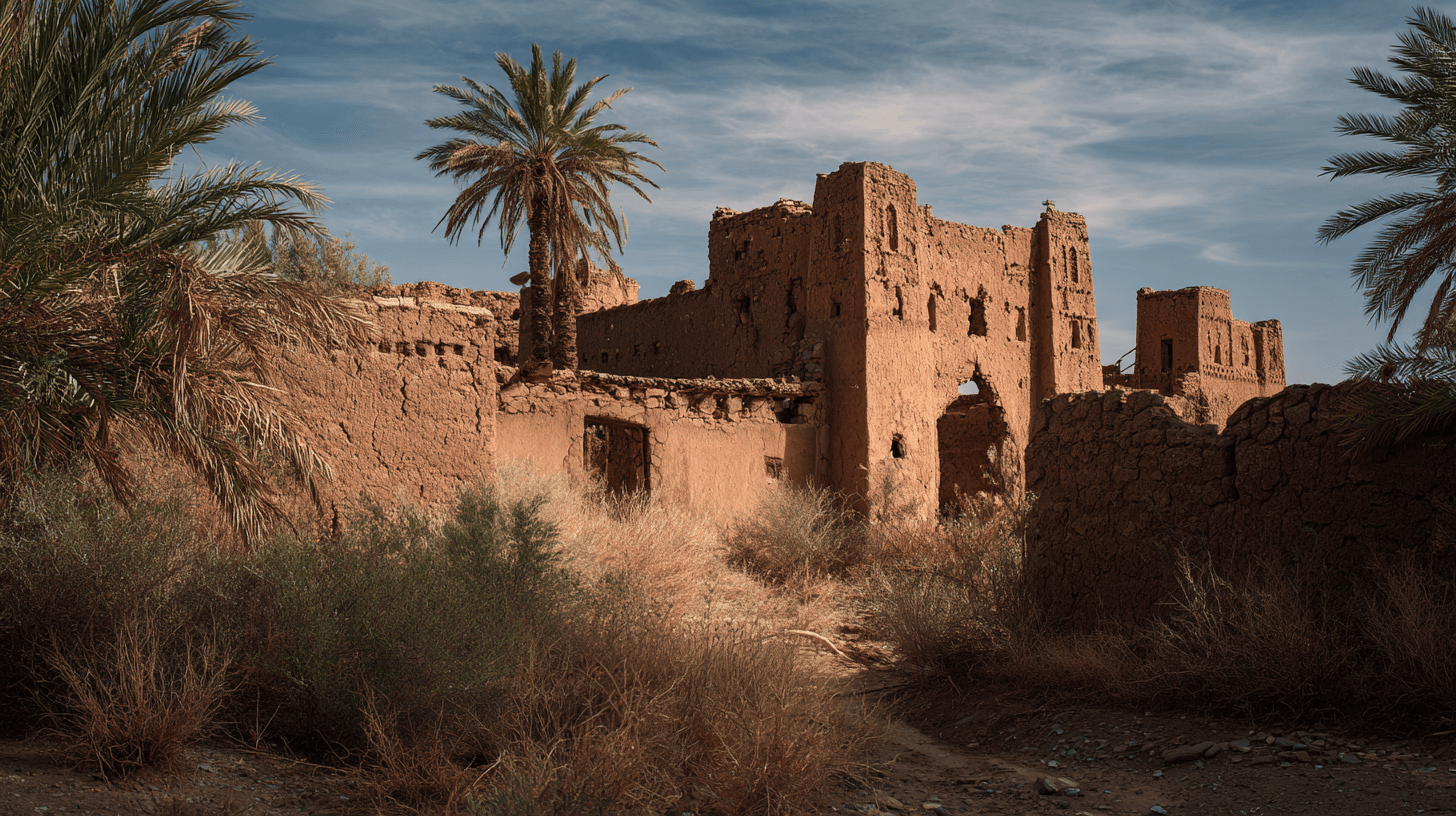
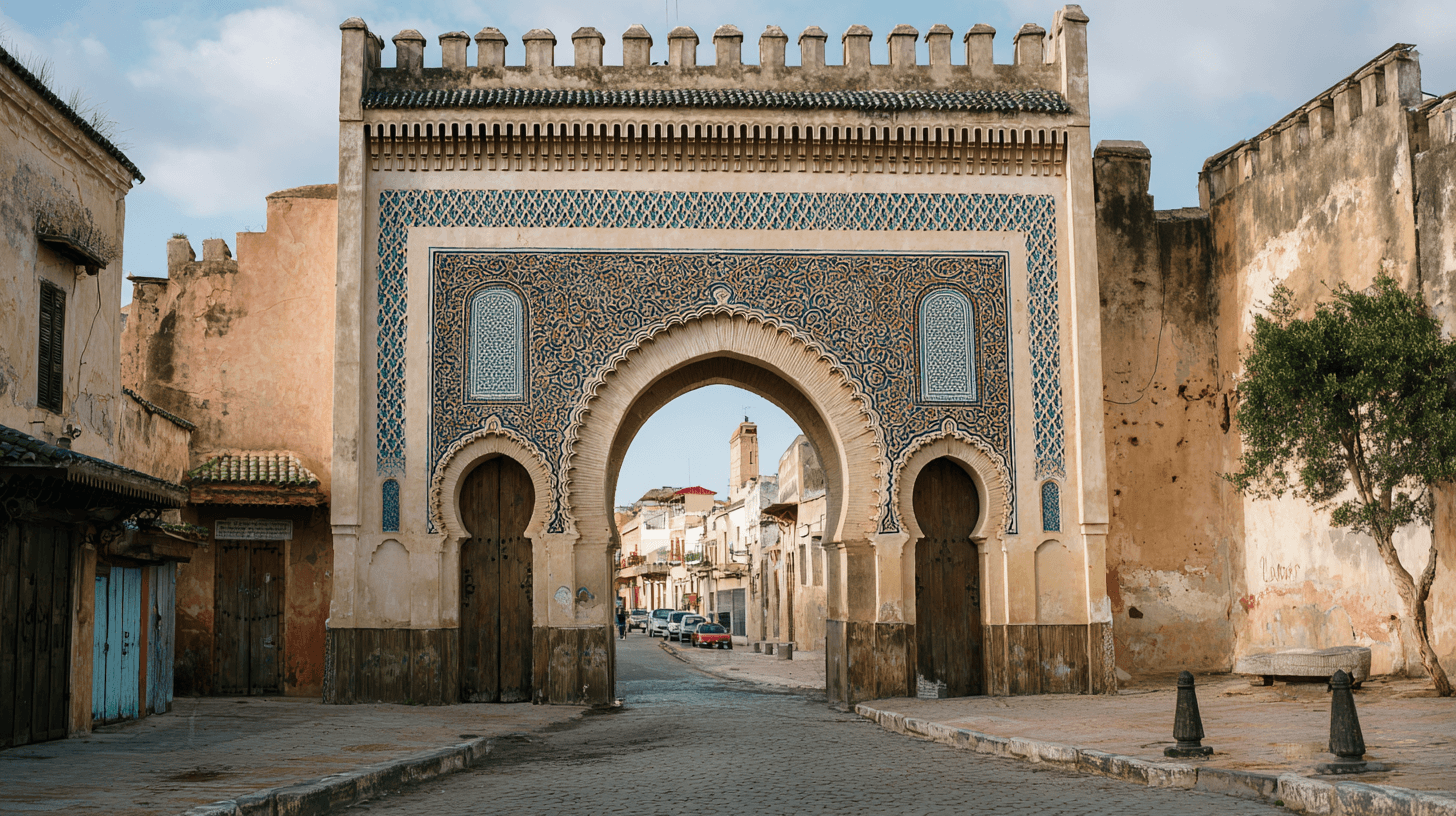
The walls remain. The palaces are ruins. The fountains are dry. But the doors still stand—including Bab Mansour, named for a Portuguese slave-architect who converted to Islam. When asked if he could have made the gate more beautiful, the architect said yes.
Moulay Ismail had him killed.
The Facts
- •55-year reign: 1672-1727 (longest in Moroccan history)
- •888 children documented by 1703
- •500 concubines
- •25,000 Christian slaves built Meknes
- •Black Guard grew to 150,000 soldiers
- •40 km of walls around Meknes
- •Proposed to Louis XIV's daughter
- •Expelled English from Tangier 1684
Sources
- El Hamel, Black Morocco: A History of Slavery, Race, and Islam (2013)
- Morocco Tourism
- Wikipedia, 'Black Guard'